


Back-to-School Readiness: Setting Your Child Up for Success

As August comes to a close, families begin preparing for the return to school. Moving from relaxed summer routines to structured school days can be a big adjustment, especially for children and teens with disabilities and learning differences. The good news is that small changes throughout August can make the transition smoother and help children feel more confident, prepared, and ready to learn.

Start by Resetting Sleep Routines
One of the most important places to start is sleep. Late nights, inconsistent schedules, and extra screen time over the summer can make those first weeks of September especially challenging. Experts recommend gradually shifting bedtime and wake-up times about two weeks before school begins. A consistent sleep routine helps regulate the body's internal clock and supports attention, learning, emotional regulation, memory, and overall well-being.
Creating predictable daily routines can also reduce stress. Practising morning routines, setting regular meal times, and reintroducing structured activities throughout the day helps children adjust to the rhythm of school before the first day arrives. Visual schedules, checklists, calendars, or timers can be especially helpful for children who benefit from knowing what to expect and having clear routines.
Check out our blog on Improving Sleep for Neurodivergent Teens
Bring Back Predictable Daily Routines
August is also a great time to rebuild independence. Encourage your child to practice skills they will use at school, such as packing their backpack, choosing clothes the night before, preparing simple snacks or lunches, organizing school supplies, or following a morning checklist. These small routines build confidence while helping mornings feel calmer and more manageable.
Talk About the Transition Back to School
As school approaches, take time to talk about the transition. Discuss what your child is looking forward to, any worries they may have, and strategies that have helped them in the past. Visiting the school or playground, reviewing classroom routines, reconnecting with friends, or reading books about starting school can help make the return feel more familiar and reduce anxiety.

Wind Down Screen Time Before Bed
Reducing screen time before bed remains an important part of preparing for school. Blue light from phones and tablets can interfere with the body's natural production of melatonin, making it harder to fall asleep. Replacing screens with reading, drawing, quiet play, gentle stretching, or calming music can help children wind down more easily and signal that bedtime is approaching.
Prepare Ahead to Ease Back-to-School Anxiety
For children who feel particularly anxious about returning to school, a littleextra preparation can go a long way. If possible, arrange a visit to the school before the first day to walk through the hallways, locate their classroom, or spend time on the playground. Some schools may also be able to arrange a brief introduction to the teacher or support staff before classes begin. Seeing familiar faces and practising the school routine ahead of time can reduce uncertainty, build confidence, and help children feel more comfortable walking through the doors on their first day.
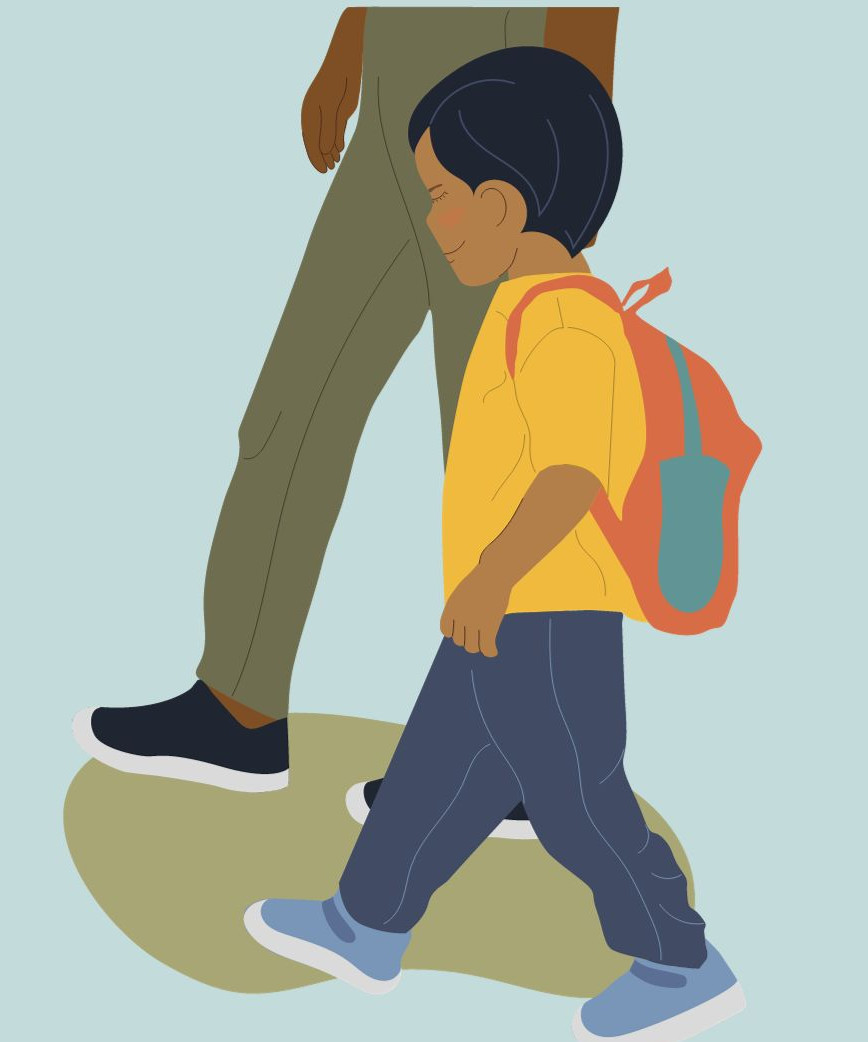
Finally, remember that every child adjusts differently. Some will settle into routines quickly, while others may need extra time, flexibility, and support. Celebrate small successes, be patient with setbacks, and remember that consistency matters more than perfection. The goal isn't a perfect start, it's creating routines that help your child feel rested, organized, confident, and ready to learn.
If your child needs extra support with the transition back to school, WonderTree is here to help.
Extra Support for a Successful School Year
Our team offers individualized therapy, parent coaching, executive functioning support, psychoeducational assessments, and school consultation to help children and teens build the skills and confidence they need for a successful school year. Whether your child is navigating anxiety, developing routines, strengthening organization skills, or adjusting to a new classroom, we're here to partner with your family every step of the way.
Some relevant back to school prep blogs!
Understanding IEP and IPRC's in Ontario Shools
Preparing for Kindergarden
Planing for What's Next - Why Early Transition Planning Matters
ADHD and IEPs- Creating a Plan That Works
#BackToSchool #BackToSchoolTips #SchoolReady #BackToSchoolRoutine #SchoolRoutines #HealthyRoutines #SleepRoutine #ExecutiveFunctioning #ChildDevelopment #ChildMentalHealth #YouthMentalHealth #ParentSupport #ParentingTips #SchoolAnxiety #AnxietySupport #EmotionalWellbeing #BuildingIndependence #StudentSuccess #Neurodiversity #NeurodivergentKids #FamilySupport #WonderTree #WonderTreeClinic
IMPORTANT: Information shared by WonderTree is not intended to replace or be constituted as clinical or medical care. It’s intended for educational purposes only. Each child is unique, and the information provided may not be applicable to your specific situation. If you need support, please establish care with a licensed provider so that they can provide tailored recommendations for you or your child. This blog is non-monetized.


Comments