


Literacy-Based SLDs: What Recommendations Should Psychologists Provide?
- Becky McArthur

- Nov 15, 2025
- 6 min read
Updated: Nov 17, 2025
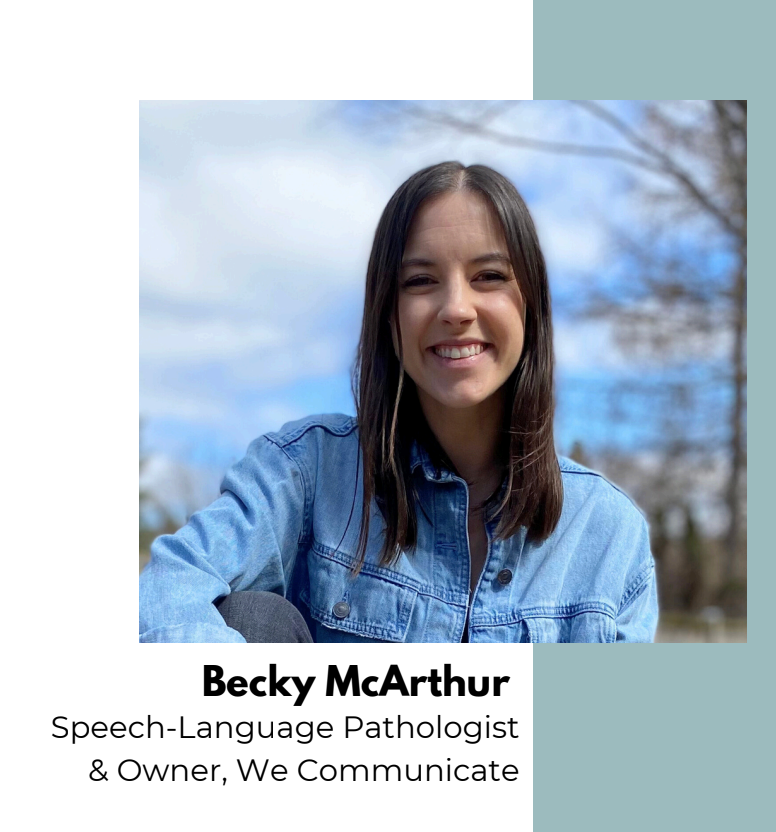
A Mental Health Professional and Parent-Friendly Guide, Inspired by Becky McArthur, Speech-Language Pathologist and Owner of We Communicate!
We Communicate is a team of compassionate, family-centered Speech-Language Pathologists dedicated to helping children build strong communication, reading, and writing skills. They believe connection comes first, and we work closely with families to support every child’s unique path to confident communication.
Keep reading for more information on how We Communicate can support your child’s speech, language, and literacy development.
Across Ontario, many children are struggling with reading and writing, and families are often left searching for clarity. Recent EQAO results show that 29% of Grade 3 students are not reading at grade level, and 36% are not writing at grade level. For some of these children, the underlying reason is a literacy-based Specific Learning Disorder (SLD).
This blog breaks down the key messages from Speech-Language Pathologist Becky McArthur’s presentation, “Literacy-Based SLDs: What Recommendations Should Psychologists Provide?”.
Understanding Literacy-Based SLDs (and Why the Word “Dyslexia” Still Matters)
A Specific Learning Disorder in reading or written expression affects a child’s ability to decode, read fluently, spell, and write. In Canadian schools, the terms “SLD” or “learning disability” are commonly used, but the word dyslexia often provides families with greater clarity and connection to supports.
Organizations across Ontario support the use of the term:
The Learning Disabilities Association of Ontario notes that dyslexia can be used to describe learning disabilities that impact reading and written language.
IDA Ontario describes dyslexia as a neurological condition involving difficulties with accurate and fluent word recognition, spelling, and decoding.
Dyslexia Canada states that even if the term isn’t formally used in schools, if a child struggles with reading and spelling words accurately and quickly, it is dyslexia.
Using the term gives families the language they need to understand the diagnosis, seek appropriate intervention, and advocate effectively.
Common Co-Occurring Challenges
Literacy-based SLDs often appear alongside other diagnoses, including:
ADHD
Autism
Anxiety or depression
Language disorders
Research suggests a 50% overlap between dyslexia and Developmental Language Disorder (DLD). This means psychologists should consider whether a child also has underlying language challenges, and when they do, a referral for a comprehensive assessment by a Speech-Language Pathologist (SLP) is often helpful.
Sharing the Diagnosis With Families
When families understand why their child learns differently, everything shifts. A diagnosis can empower a child to better understand their own brain, help educators tailor their instruction, and guide caregivers in supporting learning at home. It also creates a foundation for effective advocacy, both in school and in the broader community.
What a diagnosis does not do, however, is instantly make a child a stronger reader or writer. Instead, it opens the door to targeted, evidence-aligned intervention, the kind that actually builds literacy skills.
What Families Actually Need: Clear, Actionable Recommendations
Recommendations can be organized into three key categories: accommodations, intervention, and resources. Each plays an important role, but intervention is ultimately what moves the needle on reading and writing skills.
1. Accommodations: Making Learning Accessible
Accommodations help create fairness, not “easier work.” They allow a child to access the curriculum and show what they know.
Examples include:
Assistive technology such as text-to-speech and speech-to-text
Digital copies of schoolwork
Preferential seating
Extra time on tasks and assessments
Oral responses instead of written
Scribing when appropriate
Accommodations are especially essential from Grade 3 onward. They support participation and independence, but they do not teach the underlying skills needed for reading and writing. That’s where intervention comes in.
2. Intervention: Building the Skills That Matter
Intervention is the heart of literacy progress. It’s what changes reading and writing outcomes, but only when it’s delivered by a trained professional using a structured, evidence-based approach.
Becky encourages clinicians to avoid recommendations such as:
Brand-name programs
A specific tutor or provider
Parent-led programs or apps that may not be aligned with structured literacy
Families need guidance that is specific enough to act on, without being overly prescriptive. The most helpful recommendation is:
Structured Literacy intervention delivered by a skilled provider.
What Structured Literacy Teaches
Structured Literacy targets the essential components of reading and writing:
Phonological awareness
Phonics
Orthographic knowledge
Morphology
Vocabulary and semantics
Syntax
Fluency
These elements are taught explicitly and intentionally, with instruction that builds from simple to complex.
How Structured Literacy Is Taught
A structured literacy approach is:
Systematic and cumulative, following a clear scope and sequence
Explicit, leaving nothing to guessing or discovery
Diagnostic, with instruction adjusted based on ongoing student performance
This type of intervention goes far beyond “homework help.” It builds foundational skills that allow children to read, write, and spell with confidence.
If a child has both literacy and language challenges, it’s especially important that intervention is provided by an SLP or educator trained in both areas.
3. Resources: Helping Families Navigate the Journey
Receiving a diagnosis can feel overwhelming. Providing families with high-quality, reliable resources helps them feel supported and informed.
Helpful resources include:
Reputable websites and evidence-based guides
Parent support groups
Groups for children and youth
These tools help families build community, deepen their understanding, and advocate effectively at school and beyond.
Why Grouping Recommendations Matters
Becky encourages psychologists and clinicians to group recommendations into clear categories. This creates a roadmap for families and helps schools understand exactly what is needed. When accommodations, interventions, and resources are laid out in an organized way, families are more likely to take action, and educators are more likely to implement them.
What Psychologists Commonly Recommend and Why It’s Not Enough
Becky shared real examples of common recommendations found in reports:
“Phonics instruction”
“Explicit instruction in developing his ability to perceive and manipulate speech sounds”
“Special education assistance to support delayed reading, spelling, and reading comprehension”
“Sharing the Secrets: Teach Your Child to Spell”
Although well-intentioned, these recommendations are often too vague. They do not clearly point families toward evidence-based structured literacy intervention, nor do they provide enough detail to guide next steps. Parents are frequently left with recommendations they cannot act on, or that don’t address the root cause of their child’s difficulties.
Why Parent-Led Programs or Apps Aren’t Enough
Resources like books for parents to teach their own child to read, or literacy apps can seem appealing, they’re inexpensive, convenient, and accessible. But they often fall short in critical ways.
Before recommending them, it’s important to ask:
Does this resource address all components of literacy?
Is the content aligned with what this child actually needs?
Does it use a structured literacy approach?
What burden does it place on the parent?
What is the emotional dynamic between the parent and child during learning?
Becky compares this to mental health treatment: When a clinician recommends CBT, they wouldn’t simply tell a parent to “download the Headspace app.” Apps may be helpful supplements, but they are not replacements for skilled, targeted intervention.
The same principle applies to reading.
A literacy-based SLD or dyslexia diagnosis is not a setback, it’s a roadmap. With the right accommodations, evidence-based structured literacy intervention, and supportive resources, children can thrive as readers and writers.

Check out this handout on We Communicate’s services and how they can support your child in developing strong speech, language, reading, and writing skills.
Additional Resources
A Parent's Guide to Reading and Writing Challenges in Ontario - By We Communicate
Webinar - Is French Immersion ‘Suitable’ for Children with Dyslexia? by Dr. Nancy Wise
Frequently asked questions (FAQs) regarding my French immersion consultation services by Dr. Nancy Wise

WonderTree offers personalized academic intervention to help your child strengthen core skills in reading, writing, and learning. Our expert team provides evidence-based strategies, targeted support, and structured instruction to help students reach their full potential, build confidence, and thrive in the classroom.

#LiteracyMatters #ReadingAndWriting #StructuredLiteracy #LiteracyDevelopment #LearningDisabilities #SLDawareness #DyslexiaSupport #ReadingSkills #WritingSkills #SpeechLanguagePathology #SLPsupport #LanguageDevelopment #CommunicationSkills #DLDawareness #SpeechTherapyWorks #ParentAdvocacy #SupportingKids #FamiliesMatter #EducationalSupport #LiteracyForAll #LearningSupport #SpecialEducation #EvidenceBasedIntervention #ClassroomAccommodations #AssistiveTechnology #InclusiveEducation #Neurodiversity #LearningDifference #DyslexiaAwareness #EducationMatters #SupportForKids
IMPORTANT: Information shared by WonderTree is not intended to replace or be constituted as clinical or medical care. It’s intended for educational purposes only. Each child is unique, and the information provided may not be applicable to your specific situation. If you need support, please establish care with a licensed provider so that they can provide tailored recommendations for you or your child. This blog is non-monetized.


Comments